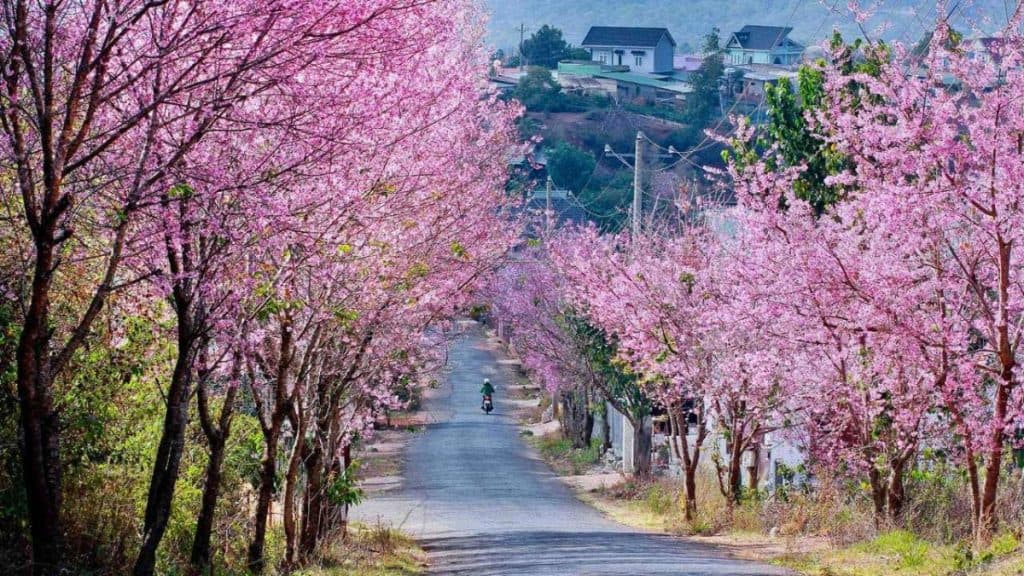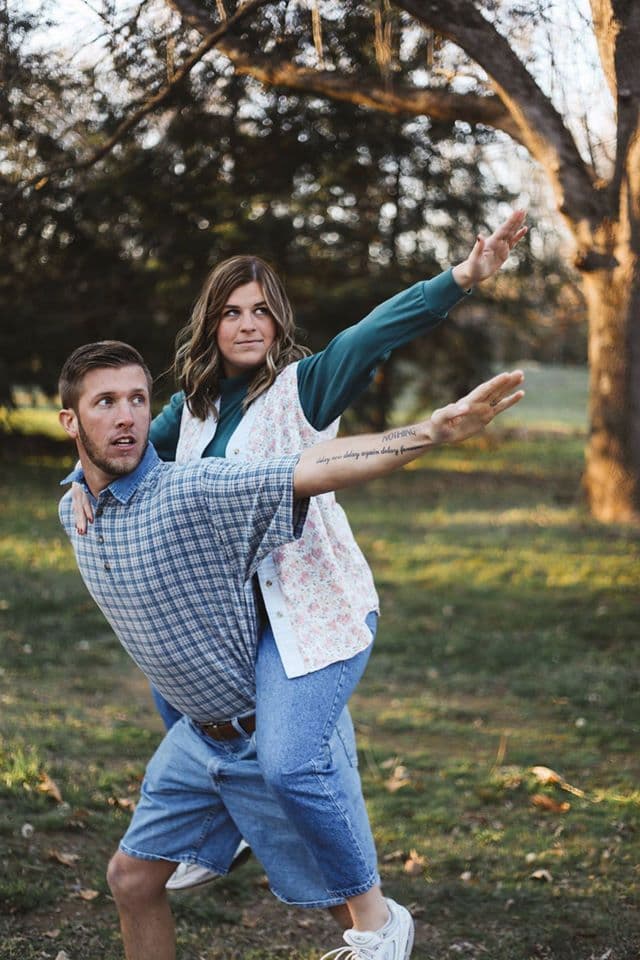
Best Places for a Couple Photoshoot in Ho Chi Minh City: A Photographer's Guide
Read more
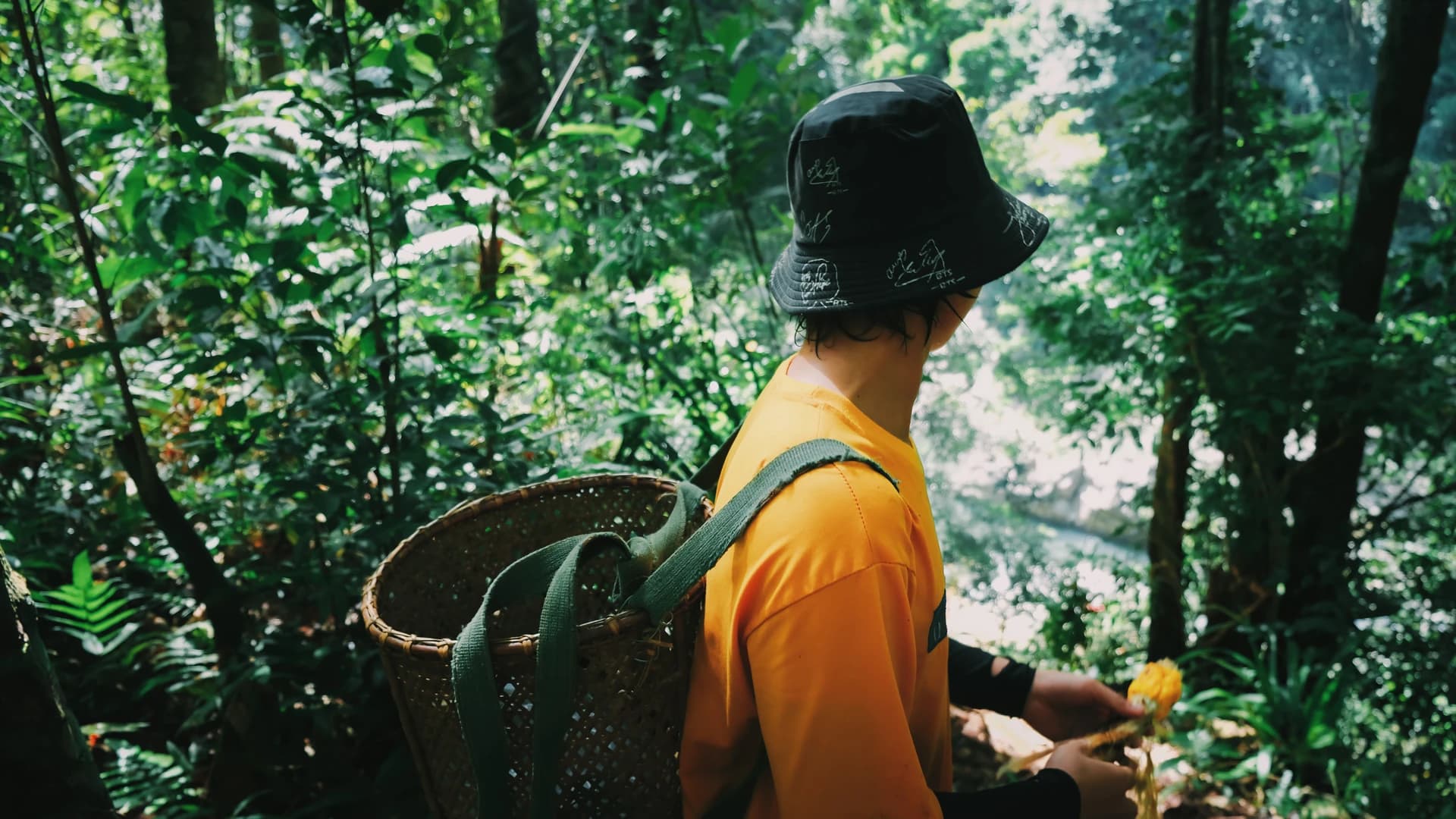
A cinematic travel photo is not the sharpest photo, or the one taken at the most famous spot. It is the one that feels like a scene from a film: warm light, a quiet moment, colors that belong together, and just enough imperfection to feel real.
So how do you actually take cinematic travel photos in Vietnam? You do not need new gear or a famous location. You need five habits: chase light instead of landmarks, shoot for mood instead of perfection, treat color as the story, let people carry the frame, and edit less than you think. I am Kevin Duong, an independent photographer based in Ho Chi Minh City, and this is how I approach shooting stories across Vietnam.
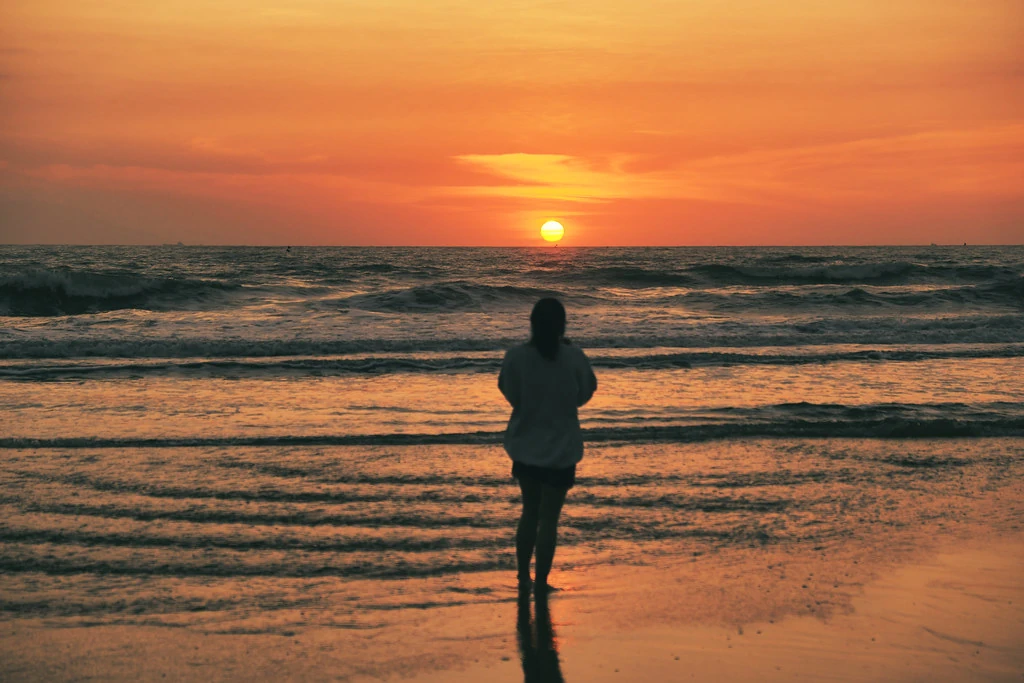
Most travel photos fail for one reason: the photographer arrived at the right place at the wrong light. A forgettable alley at 5:30 PM will outshoot a famous landmark at noon, every time.
In Vietnam, the best light windows are early morning and late afternoon:
One core habit: shoot toward the light, not away from it. Backlight turns ordinary scenes cinematic — dust suspended in the air, silhouettes on a street corner, a scooter passing through a sunbeam. Your exposure meter will fight you, but that glow is exactly what makes the frame feel like analog film.

Cinematic photos are rarely sterile or clinically sharp. They are a little soft, gently grainy, slightly off-center — and they feel alive because of it.
The practical version of this is simple: slow down. When you arrive somewhere, do not start shooting immediately. Stand still for five minutes. Watch where the light moves, where people walk, and what rhythms repeat. The first frame you take is almost never the best one. The best one usually comes after you have already decided the place is quiet.
Let motion into your frames, too. A slightly blurred motorbike, a person mid-step, laundry fluttering in the river breeze — these are the elements that make a photo feel like a captured moment instead of a tourist postcard. If you are ever stuck on what to photograph, my guide on what to shoot when you don't know what to shoot covers this exact creative block, and my field list of street photography mistakes to avoid will save you from the most common pitfalls.

Vietnam is a visually vibrant country in the best possible way, and its color palette is half the narrative. Warm mustard-yellow French walls, weathered teal shutters, deep red lanterns, emerald plastic street stools, and the bright orange of a fruit vendor's cone hat against a faded blue doorway — the harmony is already there. Your job is not to oversaturate color. Your job is to curate which colors make it into your composition.
The rule I follow: one palette per photo.
When every primary color in the street fights for attention, the frame turns noisy regardless of how interesting the subject is. Step closer, adjust your perspective, or wait for the distracting neon shirt to walk out of the frame.
This is also why the nostalgic, film-inspired aesthetic resonates so deeply here. Vietnam naturally feels like a living memory. A warm, slightly faded color grade — the kind explored in my breakdown of the Hong Kong vintage cinematic style — honors the environment instead of imposing an artificial digital look on it.
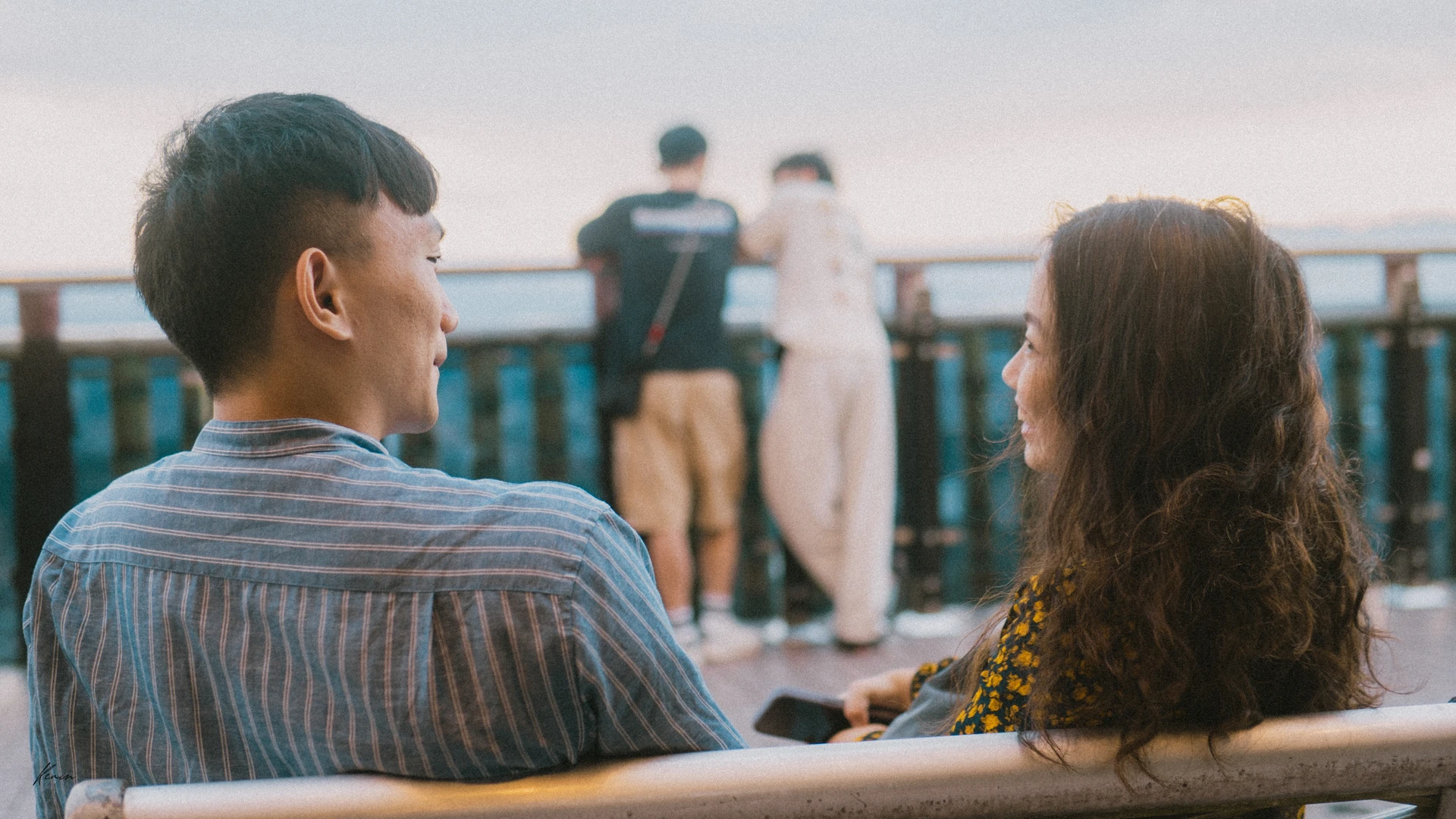
A picturesque, empty street is just architecture. The moment a person steps into it, the composition becomes a human story.
You do not need stiff, posed portraits. The most memorable travel frames come from genuine gestures: weathered hands counting change at a morning market, a street cook fanning charcoal embers, two friends laughing over iced coffee on tiny plastic stools, or a boatman coiling hemp rope along the riverbank. Photograph hands, silhouettes, and backs just as often as faces — they carry immense emotional weight, and they allow you to document life without interrupting it.
One golden rule matters more than any technical setting: respect first. Smile warmly before you raise the camera. If someone shakes their head or looks away, lower the camera immediately, nod, and move on — there is always another frame waiting down the road. Never treat someone's hardship as artistic drama. The photos that truly endure are the ones where the person in them would feel honored that the photograph exists. If you are traveling as a couple or family, our dedicated Vietnam travel documentary photography services take this exact respectful, candid approach to documenting your journey.
To help you dial in your settings quickly in the field, here is a quick reference table of how I pair lighting conditions with focal lengths and habits across Vietnam:
| Scene & Lighting Condition | Golden Window | Exposure & Camera Setup | Focal Length | Key Cinematic Habit |
|---|---|---|---|---|
| Early Morning Awakening | 06:00 – 07:30 AM | ISO 100–400, f/2.0 – f/4, 1/250s | 35mm or 50mm | Frame quiet street corners before vendors and traffic peak |
| Harsh Midday Sun | 11:30 AM – 02:00 PM | Spot metering, expose for highlights | 28mm or 35mm | Step into narrow alleys, temple courtyards, and deep shade |
| Golden Hour & Dusks | 05:00 – 06:15 PM | Wide aperture (f/1.4 – f/2.8), 1/125s+ | 50mm or 85mm | Shoot straight toward the low sun for natural lens flare |
| Monsoon Rain & Wet Streets | Post-downpour dusk | Auto ISO (up to 3200), f/2.8, 1/160s | 35mm | Hunt neon and lantern reflections on wet asphalt |
Most genuinely cinematic photographs are not heavily manipulated in post-production. They are lightly edited with strict consistency.
My philosophy: maintain one restrained color grade across an entire journey rather than reinventing each photo from scratch.
The ultimate benchmark is straightforward: if someone looks at your photograph and notices the Lightroom preset before feeling the atmosphere of the place, you have edited too much. For an in-depth technical walkthrough on balancing tone curves and color wheels, my guide on cinematic color grading in Lightroom covers the step-by-step methodology.
Do I need an expensive film camera to achieve a cinematic look in Vietnam?
No. The cinematic aesthetic is born from directional light, composition, patience, and color harmony — not the brand of your camera. While shooting analog 35mm film naturally forces you to slow down, you can create breathtakingly cinematic photographs on any modern mirrorless camera, compact point-and-shoot, or smartphone.
What are the most cinematic photography spots in Vietnam?
Every region in Vietnam holds distinct cinematic textures. If you are exploring Saigon, check out our curated Saigon Photo Atlas for hidden architectural spots with striking natural light. If you crave misty pine ridges and vintage colonial villas, our comprehensive Da Lat travel and photography guide details the dreamiest locations for moody storytelling.
Can smartphone cameras capture authentic cinematic travel photos?
Yes. Modern smartphone sensors deliver exceptional dynamic range when given good natural light. The key with mobile photography is avoiding the harsh midday glare, tapping on the brightest area of your frame to underexpose slightly, and using the 2x or 3x telephoto lens to prevent wide-angle facial distortion.
How do you handle rapid weather changes during Vietnam's rainy season?
Embrace rainy days. Rain creates the richest cinematic atmosphere imaginable: puddles become mirrors reflecting amber streetlights, people bundle into colorful rain ponchos, and atmospheric mist rolls across mountain passes. Carry a simple weather-resistant dry bag, keep a microfiber cloth handy, and shoot from under café awnings.
Cinematic travel photography is not a preset and not a checklist of tourist spots. It is a slower, more generous way of observing the world: wake up early, wait for the light, let the moment unfold before you, and stop editing before the frame loses its authenticity. Travel slow, shoot honest, and Vietnam will reveal its cinema to you.