Mu Cang Chai Golden Season Photo Guide
Read more
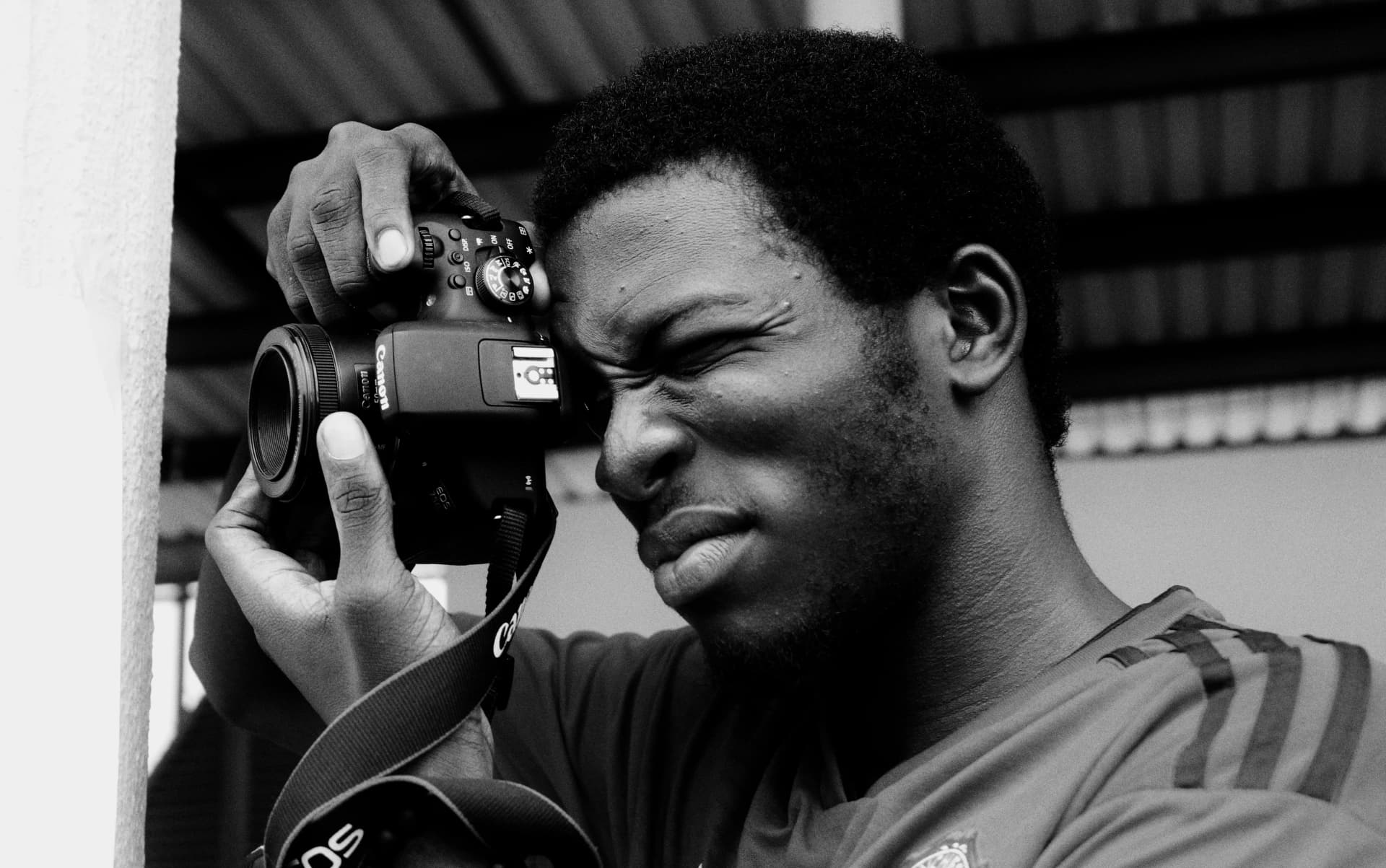
The boundary between a newcomer to photography (Newbie) and a professional photographer (Pro Photographer) is often misunderstood as lying in the price of the camera body or the number of high-end lenses.
In reality, as we have seen in the Camera Types Guide for Photographers, equipment is merely an execution tool. The decisive difference lies in problem-solving mindset, consistency in all conditions, the ability to master light, and the project operation workflow.
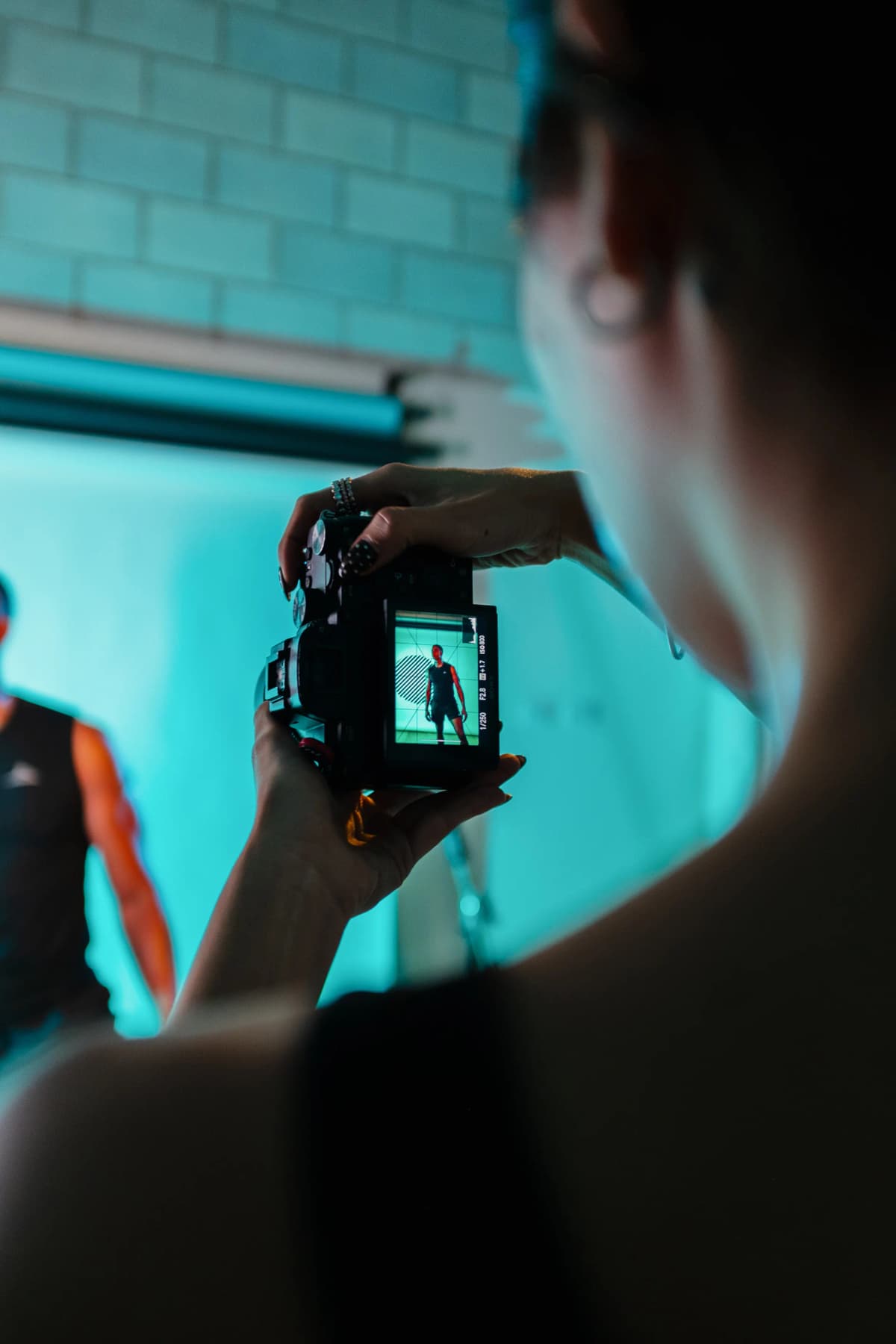
Being professional doesn't mean never making mistakes; it's the control to never deliver a product below the committed standard.
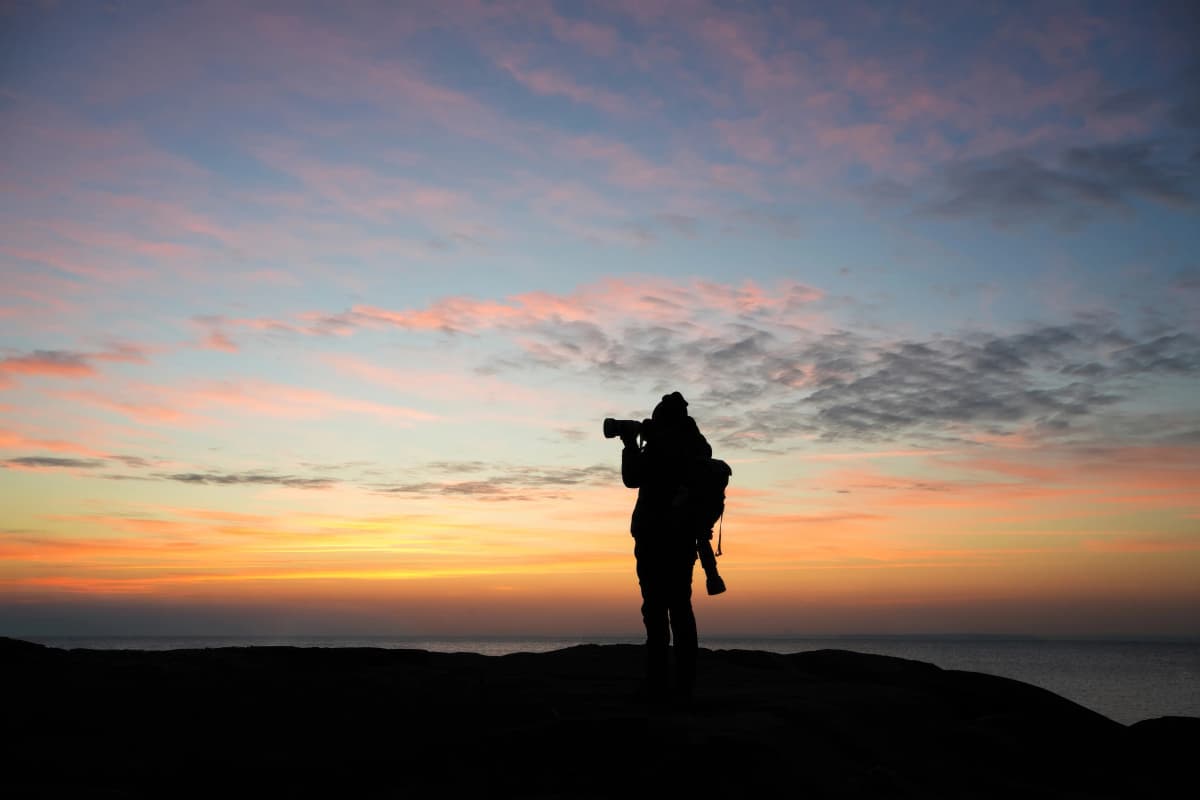
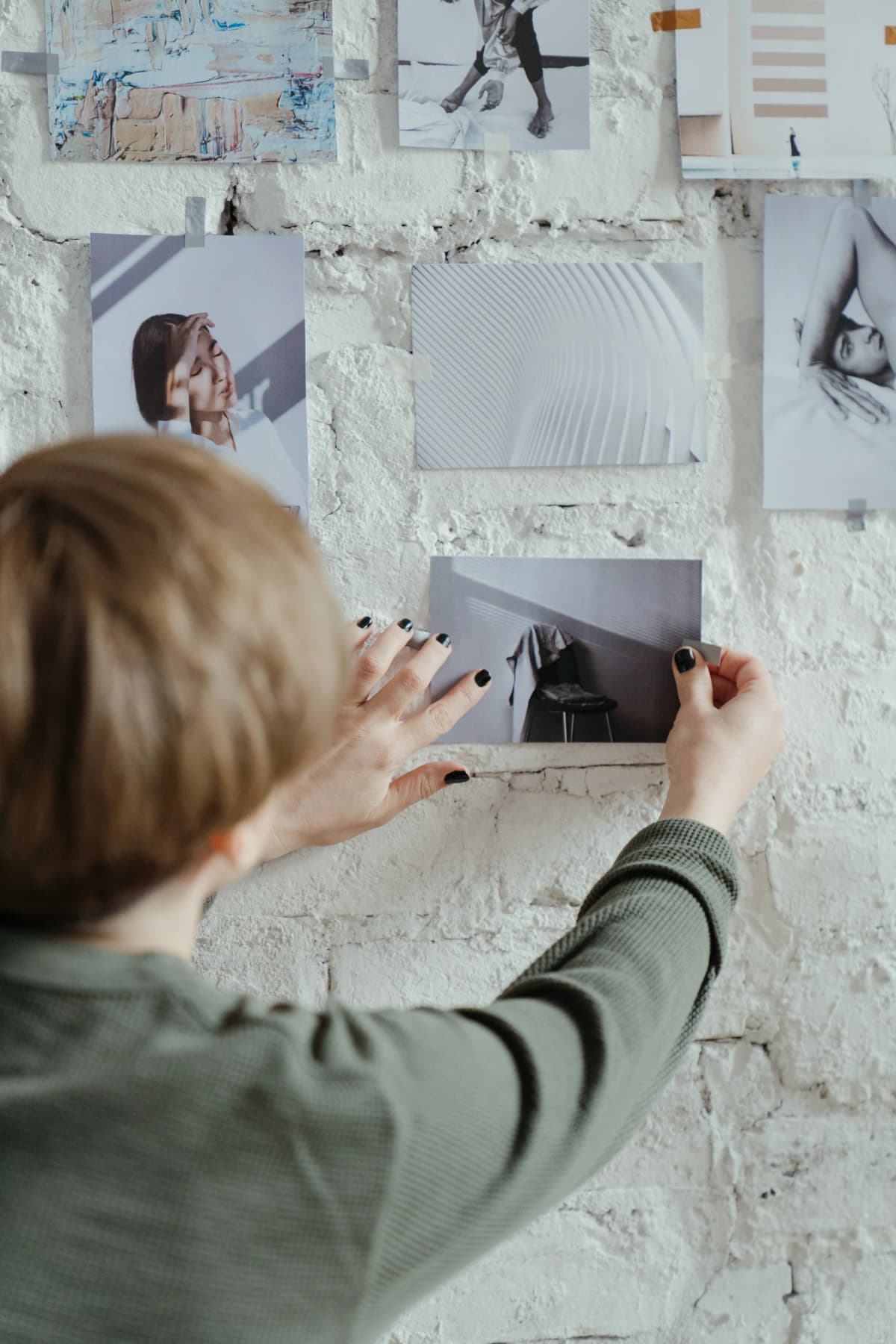
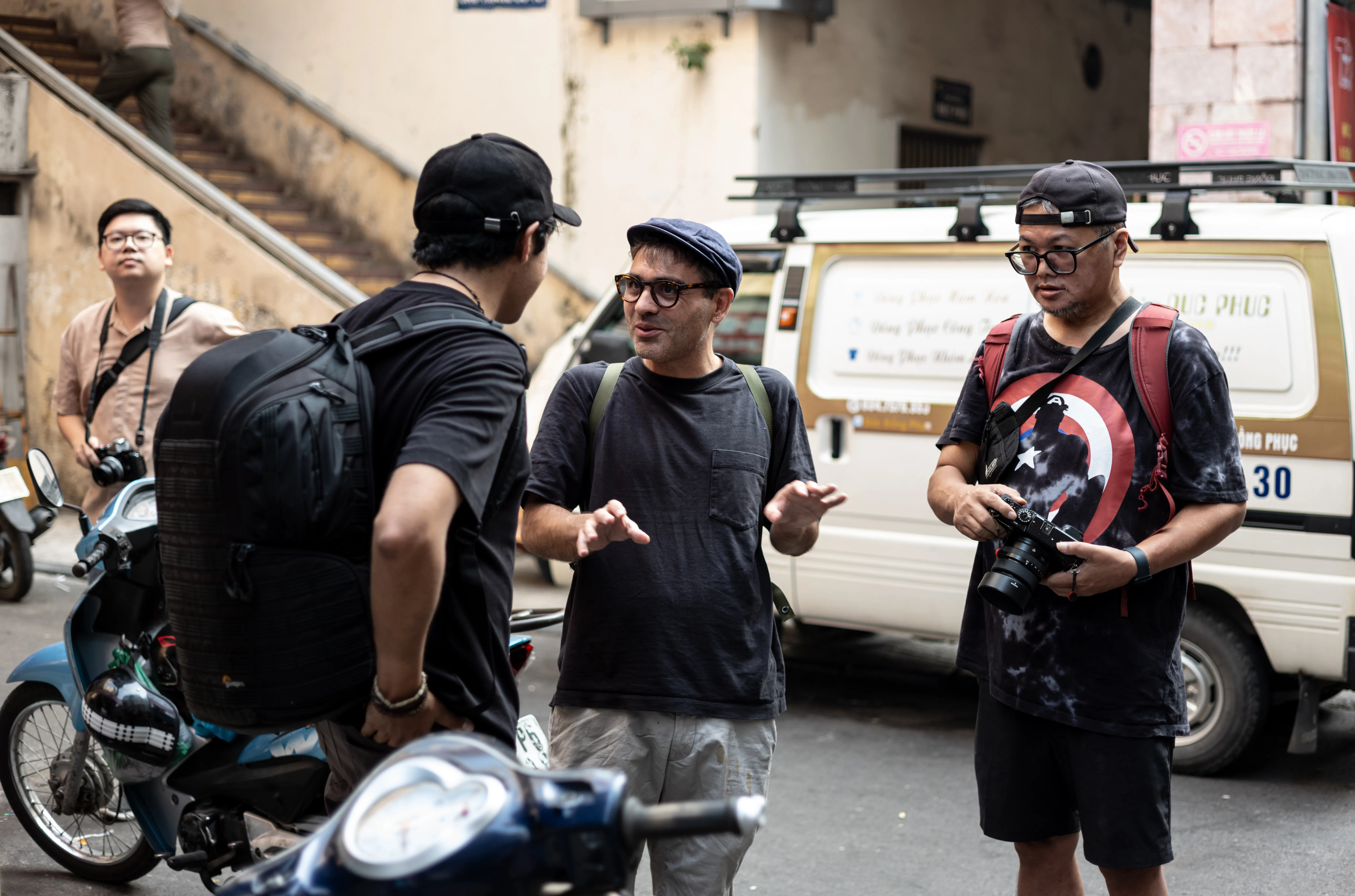
Camera operating skills only account for about 30% of the job; the remaining 70% is the ability to work with people.
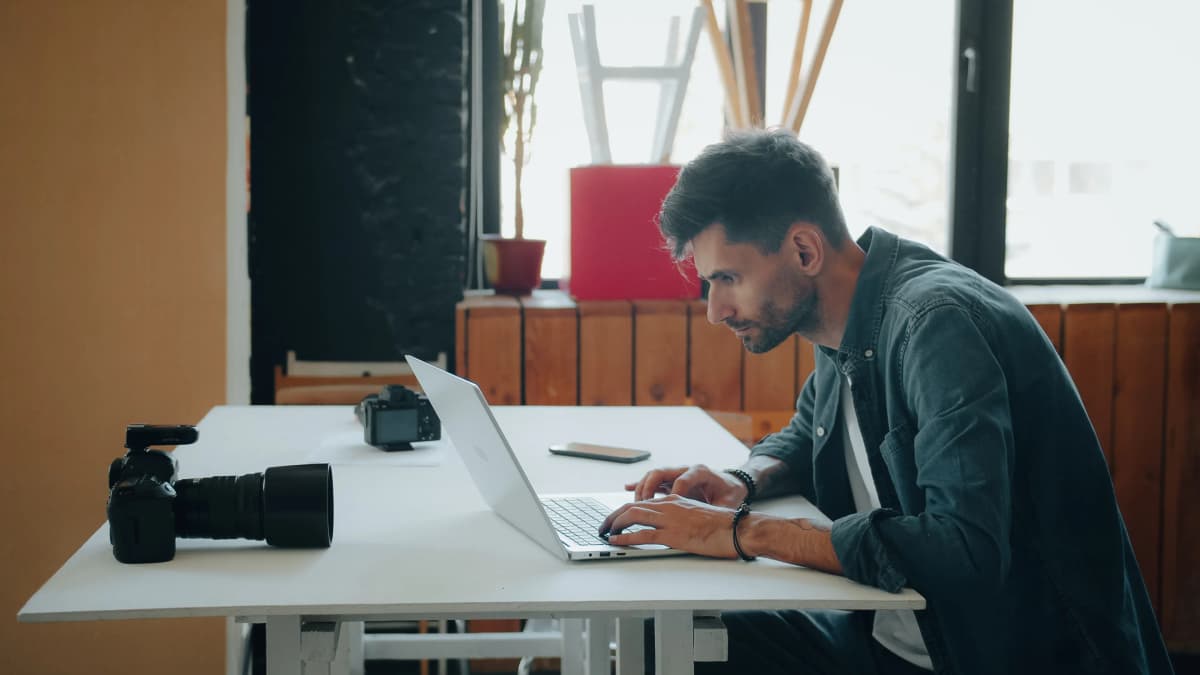
| Category | Newbie / Amateur | Pro Photographer |
|---|---|---|
| Color Grading | Applies random presets downloaded online, colors are inconsistent across photos. | Builds an accurate Color Palette according to the concept, colors are uniform across the entire set. |
| Retouching | Over-smooths skin using automatic filters, losing skin texture details. | Manual retouching (Dodge & Burn, Frequency Separation), keeping natural skin texture intact. |
| Data Management | Saves on a single hard drive or memory card. | Applies the 3-2-1 backup rule (3 copies, 2 different media types, 1 cloud/offsite copy). |
| Delivery Time | Often late or delivered sporadically on a whim. | Clear commitment in the contract regarding time, quantity, and delivery format. |
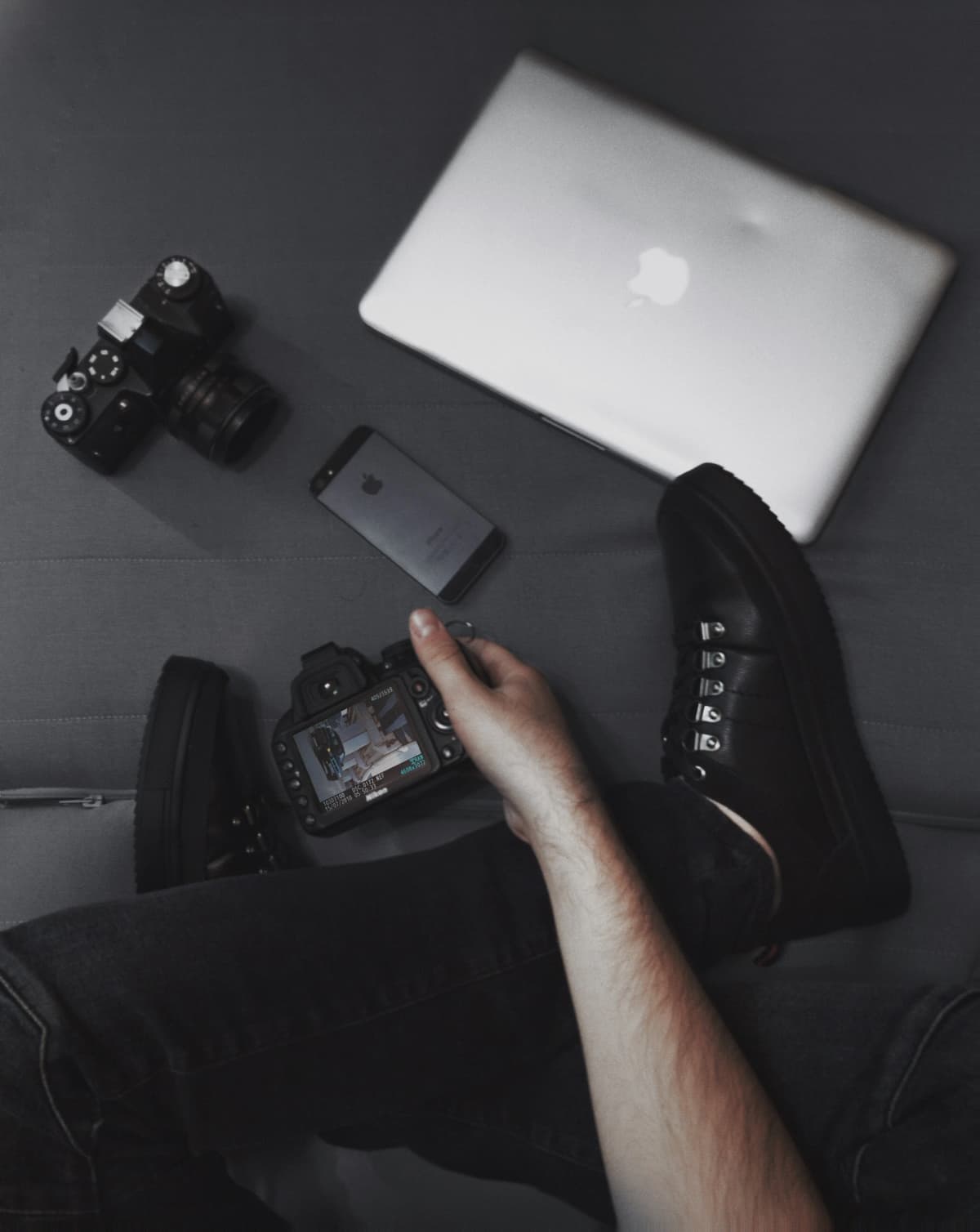
To bridge the gap from a Newbie to a Professional, shift your focus from "Which camera do I need to buy?" to "What problem can I solve for the shoot?".
Focus on practicing discipline in file management, learning deeply about artificial lighting, and honing your communication skills with clients — those are the true assets that shape a professional photographer.
Is it mandatory to use a high-end Full-frame camera to become a Pro Photographer? No. A Full-frame sensor supports better Dynamic Range and low-light shooting, but a Pro Photographer can absolutely create high-quality commercial work on an APS-C or Micro Four Thirds body thanks to perfect lighting control and composition.
What is the clearest sign that a beginner is ready to take on commercial projects? When you can recreate the same style and photo quality across 10 different lighting contexts, accompanied by a contract process, data backup, and transparent delivery time commitments.
Current session rates are listed on the pricing page.
See how we walk through Saigon’s quiet alleys, vintage apartment cafes, and riverside corners. I capture digitally and edit selected photos with warm, film-inspired colors. No upfront deposit.